

| Reference https://share.google/YqPIgqoldN75o4Nv7 While sleep apnea remains a primary suspect capable of driving all three symptoms—by depriving the body of oxygen, triggering adrenaline spikes that stress the heart, and fracturing sleep—experiencing afternoon tiredness, minor heart stress, and sleepy eyes at age 75 necessitates investigating other age-related and systemic root causes. |
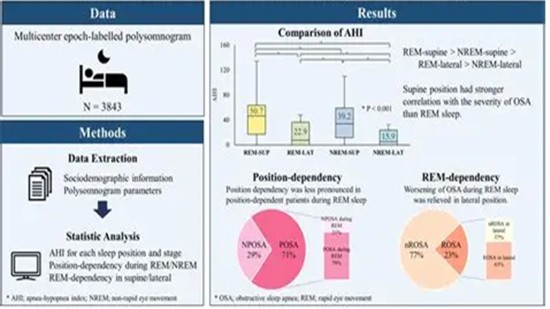
Even if you believe your sleep apnea is well-managed or separate from this issue, it is highly common for CPAP compliance to shift or for an aging upper airway to require updated pressure settings. When sleep apnea is under-treated, every microscopic pause in breathing triggers a survival response. Your brain floods your system with cortisol and adrenaline, making your blood pressure spike and directly inducing cardiovascular stress and severe afternoon fatigue.
Red Flags to Monitor.
Please seek prompt medical evaluation, or emergency care if these signs appear suddenly:
- Chest tightness, crushing pain, or pressure radiating to the arm or jaw.
- Shortness of breath while resting or doing minor household tasks.
- Dizziness, fainting, or an irregular, racing pulse.
- Are you currently using a CPAP machine or other treatment for your sleep apnea?
- Do these symptoms usually get worse right after eating lunch, or do they happen regardless of meals?
- Have you recently started or changed the dose of any blood pressure or heart medications? When a 75-year-old experiences a distinct triad of afternoon tiredness, minor heart stress (such as a racing heart, flutter, or mild tightness), and heavy, sleepy eyes, multiple overlapping physiological systems are usually at play. Since sleep apnea has already been ruled out, a medical evaluation should look into several other potential root causes.
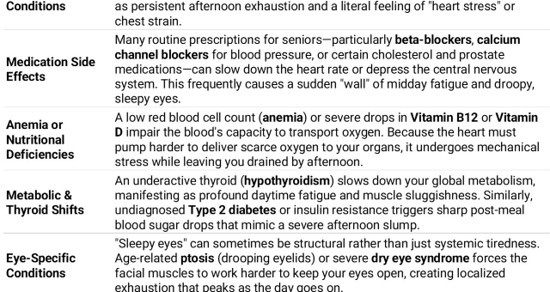
| Even if you believe your sleep apnea is well-managed or separate from this issue, it is highly common for CPAP compliance to shift or for an aging upper airway to require updated pressure settings. When sleep apnea is under-treated, every microscopic pause in breathing triggers a survival response. Your brain floods your system with cortisol and adrenaline, making your blood pressure spike and directly inducing cardiovascular stress and severe afternoon fatigue. 1). Cardiovascular Conditions The sensation of “minor heart stress” combined with afternoon exhaustion is a classic hallmark of underlying cardiac changes. Early Heart Failure: If the heart muscle is stiff or pumping less efficiently, blood flow and oxygen delivery to the body’s tissues decrease. By the afternoon, after hours of daily activity, the body’s energy reserves are depleted, causing profound fatigue and heavy eyelids. Arrhythmias (e.g., Atrial Fibrillation): Age-related electrical changes in the heart can cause irregular or rapid heartbeats. A period of unrecognized arrhythmia can feel like “stress” in the chest and rapidly drain physical energy. 2). Postprandial Hypotension (Post-Lunch Blood Pressure Drops) In older adults, the autonomic nervous system can struggle to regulate blood pressure after meals. After eating lunch, a significant amount of blood shifts to the digestive tract. If the body cannot compensate, systemic blood pressure drops. The heart may beat faster or work harder to maintain blood flow to the brain, causing a feeling of heart stress, while the lack of central blood flow triggers heavy, sleepy eyes and acute afternoon fatigue. 3). Medication Side Effects or Interactions At age 75, managing multiple prescriptions (polypharmacy) is common. Beta-blockers or Calcium Channel Blockers: Commonly prescribed for high blood pressure or heart conditions, these medications can cause profound drowsiness and heavy eyelids. Diuretics (“Water Pills”): These can cause mild dehydration or electrolyte imbalances (like low potassium or magnesium), which strain the heart, cause palpitations, and induce severe physical tiredness. 4). Metabolic and Blood Sugar Fluctuations Type 2 Diabetes or Insulin Resistance: Blood sugar imbalances frequently cause dramatic mid-afternoon energy crashes. If cells cannot properly absorb glucose, the body experiences low internal fuel, causing intense sleepiness. Furthermore, sudden blood sugar shifts can trigger a compensatory adrenaline spike, causing the heart to race. Thyroid Dysfunction: An underactive thyroid (hypothyroidism) slows down metabolism and causes persistent exhaustion, while an overactive thyroid (hyperthyroidism) can cause heart palpitations and physical fatigue. 5). Anemia or Nutritional Deficiencies Anemia: A deficiency in red blood cells or hemoglobin means less oxygen is carried through the bloodstream. The heart must pump faster and harder to compensate for the lack of oxygen, resulting in a feeling of cardiac stress and severe, crushing daytime fatigue. Vitamin B12 or Vitamin D Deficiencies: These are highly prevalent in older adults due to altered gut absorption and are primary culprits for nerve fatigue, muscle weakness, and low stamina. Next Steps for Medical Evaluation Because these symptoms involve the cardiovascular system, they require professional medical investigation. A doctor will likely consider: An Electrocardiogram (ECG) or a wearable ambulatory heart monitor to track the “heart stress”. Comprehensive Blood Labs to check complete blood count (for anemia), HbA1c (for diabetes), thyroid stimulating hormone (TSH), and electrolyte levels. A review of all current medications, over-the-counter drugs, and supplements. |

Again, technology research and innovation is the key to success for Design HMI LLC.